

Discover the intriguing history of Belgrade, the “White City,” and explore its legacy as a vibrant capital at the crossroads of culture and history. Perfect for Serbian language learners.
Belgrade, the bustling capital of Serbia, is more than just a modern metropolis. Its name, meaning “White City” (Beograd), offers a glimpse into its rich and colorful past. If you’re learning Serbian online, understanding the cultural and historical significance of this iconic city can deepen your appreciation for the language and its roots. Let’s dive into the fascinating story of Belgrade and its name.
Why Is Belgrade Called the “White City”?
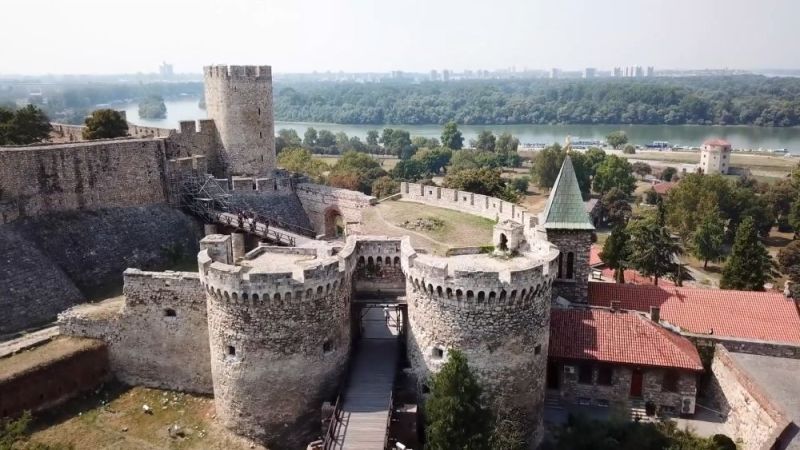
The name “Belgrade” was first mentioned in 878 AD in a letter by Pope John VIII. The term “Beograd” combines “Belo” (white) and “Grad” (city or town). This name likely refers to the white limestone walls of the fortress that once protected the city. Built at the confluence of the Sava and Danube rivers, these shining white walls became a symbol of strength and resilience.
Key Highlights from Belgrade’s History
1. A City of Many Names
Before adopting its current name, Belgrade was known by various names, such as Singidunum (a Celtic name) and Alba Bulgarica during the Byzantine period. These names reflect the city’s multicultural and tumultuous history.
2. The Crossroads of Empires
Over 40 armies have conquered Belgrade throughout history, and it has been rebuilt more than 20 times. Its strategic location made it a prized possession for the Romans, Ottomans, Habsburgs, and more.
3. The Confluence of Cultures
Belgrade lies at the meeting point of the Danube and Sava rivers, serving as a cultural bridge between East and West. This blend of influences is still evident in the city’s architecture, food, and traditions.
4. Kalemegdan Fortress: A Witness to History
One of Belgrade’s most iconic landmarks, the Kalemegdan Fortress, has stood through centuries of battles and peace. Today, it’s a peaceful park offering stunning views of the rivers, perfect for tourists and locals alike.
5. A City of Firsts
Did you know Belgrade was home to one of the first coffee shops in Europe? Introduced during the Ottoman era, coffee culture remains a beloved tradition in Serbia today.
Belgrade Today
Modern-day Belgrade is a vibrant city known for its nightlife, rich cultural scene, and warm hospitality. From exploring the cobblestone streets of Skadarlija to enjoying riverside cafes, it offers a unique blend of history and modernity.
Why Learn Serbian Through Belgrade’s Story?
As you explore Belgrade’s rich past, you’ll encounter key Serbian words and phrases. The story of “Beograd” introduces learners to vocabulary such as “belo” (white), “grad” (city), and “reka” (river), enriching your language journey from the very beginning.
Ready to immerse yourself in Serbian culture and language? Sign up for our online Serbian classes today and bring history to life as you learn the language of the “White City.”
 my-serbian-teacher.com